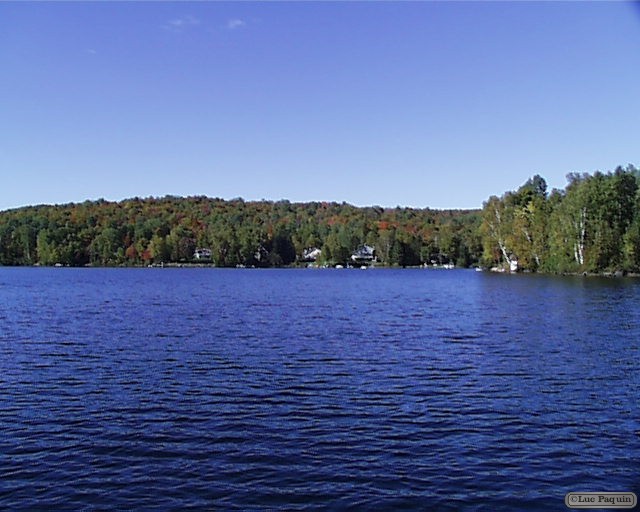
Mont-Tremblant, Quebec, Canada, October 2, 2001

Mont-Tremblant 6 Mk10

Year: 2001 (October 2, 2001)

11″ x 8.5″

Media: Canon® Pro Platinum High Gloss Photo Paper

Printers: Canon® PIXMA

Color

Art: Photo

Artist: Luc Paquin

Mont-Tremblant, Quebec, Canada

Mont Tremblant Statistics

A mountain to discover

Tremblant sits at 875 meters and offers a breathtaking view on the Laurentians. Its ski area covers 268 hectares and includes 96 ski trails on 4 distinct slopes for the enjoyment of skiers and snowboarders of all levels. One of the most sophisticated and powerful snowmaking systems in North America, with over 1,000 snowguns, allows us to offer impeccable snow conditions.

Mont-Tremblant

Elevation at the summit: 875 meters (2871 feet)
South Side vertical drop: 645 meters (2116 feet)
Number of trails: 96
Mountain faces: 4

Luc

Montreal Biodome, Montréal, QC, Canada, October 4, 2001

Montreal Biodome 6 Mk05

Year: 2001 (October 4, 2001)

11″ x 8.5″

Media: Canon® Pro Platinum High Gloss Photo Paper

Printers: Canon® PIXMA

Color

Art: Photo

Artist: Luc Paquin

Montreal Biodome

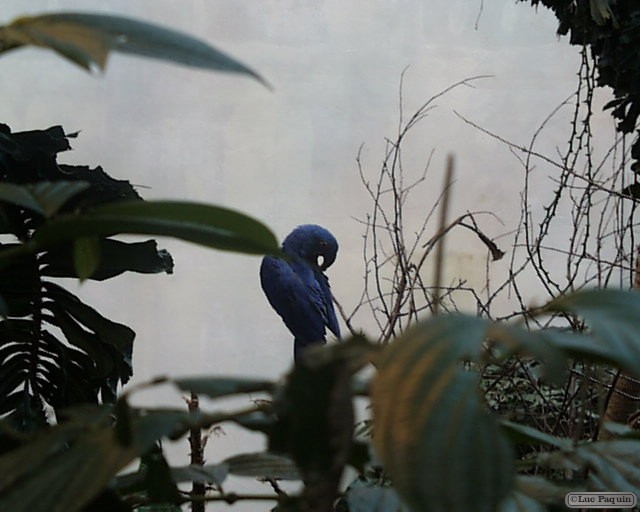
Tropical Rainforest

With its large diversity of terrestrial and aquatic plants and animals this ecosystem offers a unique opportunity to study the relationships between physical environmental factors and living organisms, as well as between organisms themselves. This ecosystem has made it possible to study important ecological processes that are generally difficult to isolate in natural environments, such as changes in the physical and chemical properties of the soil, the leaf phosphorus retranslocation of some tree species, the role of soil microorganisms, the foraging activity of pollen and nectar eating bats, and the growth of a free population of giant toads.

Capybara

The capybara (Hydrochoerus hydrochaeris) is a large rodent of the genus Hydrochoerus of which the only other member is the lesser capybara (Hydrochoerus isthmius). The capybara is the largest rodent in the world. Close relatives are guinea pigs and rock cavies, and it is more distantly related to the agouti, chinchillas, and the coypu. Native to South America, the capybara inhabits savannas and dense forests and lives near bodies of water. It is a highly social species and can be found in groups as large as 100 individuals, but usually lives in groups of 10-20 individuals. The capybara is not a threatened species and is hunted for its meat, hide and also for a grease from its thick fatty skin which is used in the pharmaceutical trade.

Luc

Saint-Sauveur, Quebec, Canada, October 2, 2001

Saint-Sauveur 6 Mk01

Year: 2001 (October 2, 2001)

11″ x 8.5″

Media: Canon® Pro Platinum High Gloss Photo Paper

Printers: Canon® PIXMA

Color

Art: Photo

Artist: Luc Paquin

Saint-Sauveur, Quebec, Canada

Saint-Sauveur is a town and municipality within the Les Pays-d’en-Haut Regional County Municipality, Quebec, Canada. It is in the administrative region of Laurentides in the Laurentian mountains, located about 60 kilometers north of Montreal.

On September 11, 2002 the city was created from the merger of the village of Saint-Sauveur-des-Monts and the parish municipality of Saint-Sauveur.

Luc

Montreal Biodome, Montréal, QC, Canada, October 4, 2001

Montreal Biodome 6 Mk04

Year: 2001 (October 4, 2001)

11″ x 8.5″

Media: Canon® Pro Platinum High Gloss Photo Paper

Printers: Canon® PIXMA

Color

Art: Photo

Artist: Luc Paquin

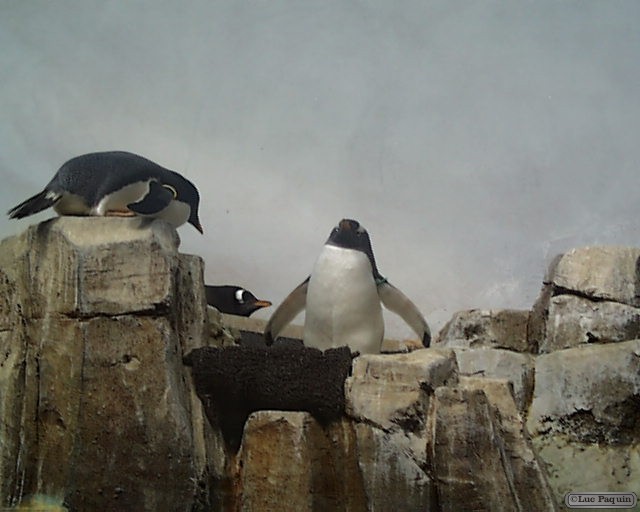
Montreal Biodome

Sub-Antarctic Islands

Climate

The temperature is kept relatively constant, between 2ºC and 5ºC. The photoperiod (length of daylight) matches the natural cycle in the region.

Gentoo Penguin

Taxonomy

The gentoo penguin is one of three species in the genus Pygoscelis. Mitochondrial and nuclear DNA evidence suggests the genus split from other penguins around 38 million years ago, about 2 million years after the ancestors of the genus Aptenodytes. In turn, the Adelie penguins split off from the other members of the genus around 19 million years ago, and the chinstrap and gentoo finally diverging around 14 million years ago.

Two subspecies of this penguin are recognised: Pygoscelis papua papua and the smaller Pygoscelis papua ellsworthii.

Luc

Montreal Biodome, Montréal, QC, Canada, October 4, 2001

Montreal Biodome 6 Mk03

Year: 2001 (October 4, 2001)

11″ x 8.5″

Media: Canon® Pro Platinum High Gloss Photo Paper

Printers: Canon® PIXMA

Color

Art: Photo

Artist: Luc Paquin

Montreal Biodome

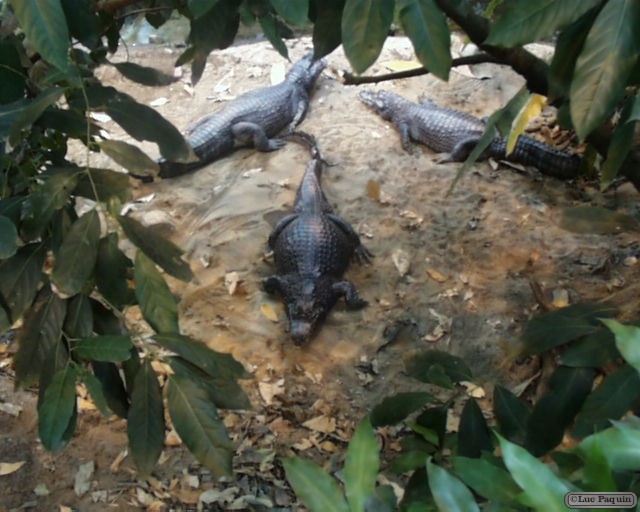
Tropical Rainforest

A tribute to the world’s most beautiful forest

A plea for its protection

Although the tropical rainforests of the Americas, Africa and Asia account for only 7% of the world’s surface area, they are home to over half, and perhaps even two-thirds, of all known animal and plant species. Unfortunately, these forests are constantly shrinking, at alarming speed.

The Tropical Rainforest at the Biodôme, a reproduction of a tropical rainforest in South America, awakens visitors to the extraordinary biological diversity of these ecosystems and to their terrible vulnerability. The Biodôme’s Tropical Rainforest, measuring 2,600 m² and populated by thousands of plants and animals, is our largest ecosystem.

Crocodile

Crocodiles (subfamily Crocodylinae) or true crocodiles are large aquatic reptiles that live throughout the tropics in Africa, Asia, the Americas and Australia. Crocodylinae, all of whose members are considered true crocodiles, is classified as a biological subfamily. A broader sense of the term crocodile, Crocodylidae that includes Tomistoma, is not used in this article. The term crocodile here applies only to the species within the subfamily of Crocodylinae. The term is sometimes used even more loosely to include all extant members of the order Crocodilia, which includes Tomistoma, the alligators and caimans (family Alligatoridae), the gharials (family Gavialidae), and all other living and fossil Crocodylomorpha.

Luc

Montreal Biodome, Montréal, QC, Canada, October 4, 2001

Montreal Biodome 6 Mk02

Year: 2001 (October 4, 2001)

11″ x 8.5″

Media: Canon® Pro Platinum High Gloss Photo Paper

Printers: Canon® PIXMA

Color

Art: Photo

Artist: Luc Paquin

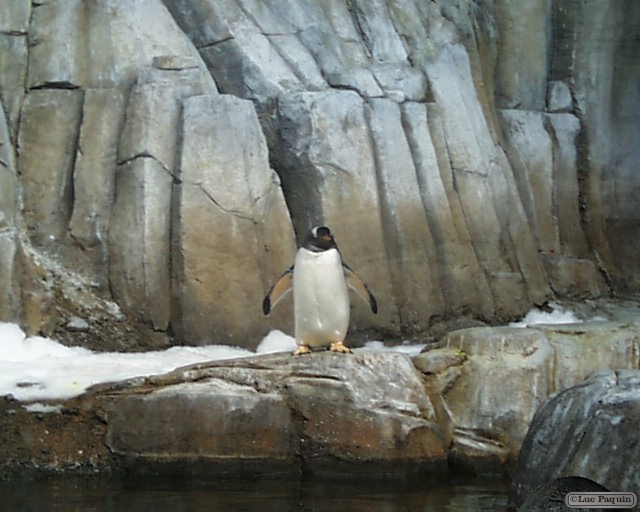
Montreal Biodome

Sub-Antarctic Islands

To the south of South America is an ice-covered continent: the Antarctic.

Landscape

The landscape evokes the shore of a volcanic island lying between the Antarctic peninsula and the tip of South America. Basalt is the main rock formation.

Gentoo Penguin

The long-tailed gentoo penguin (Pygoscelis papua) is a penguin species in the genus Pygoscelis, most closely associated with the Adélie penguin (P. adeliae) and the chinstrap penguin (P. antarcticus). The first scientific description was made in 1781 by Johann Reinhold Forster with a reference point of the Falkland Islands. They call in a variety of ways, but the most frequently heard is a loud trumpeting which is emitted with its head thrown back.

The application of gentoo to the penguin is unclear. The Oxford English Dictionary notes that gentoo used to be an Anglo-Indian term used as early as 1638 to distinguish Hindus in India from Muslims. The English term may have originated from the Portuguese gentio (compare “gentile”). In the 20th century the term came to be regarded as derogatory.

Luc

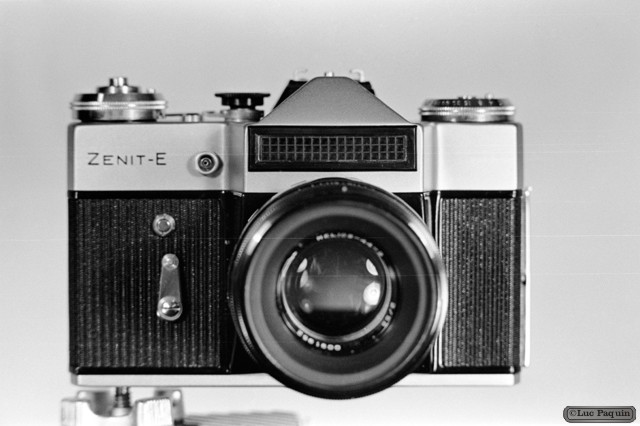
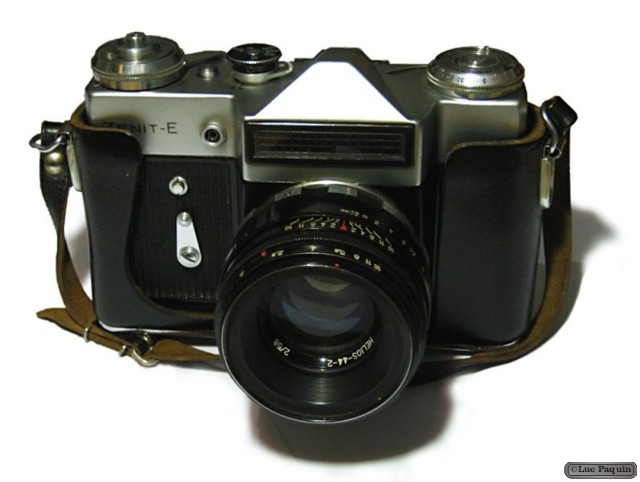
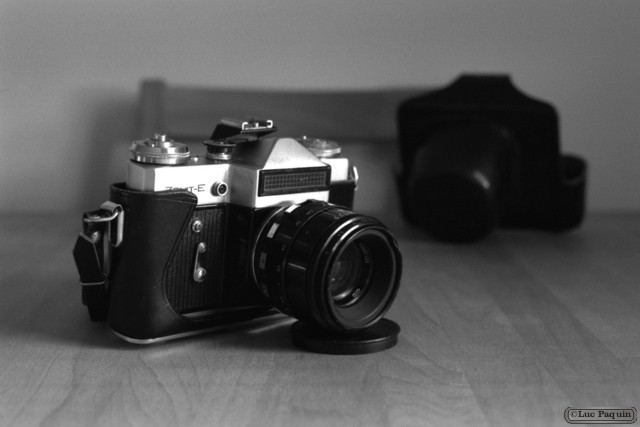
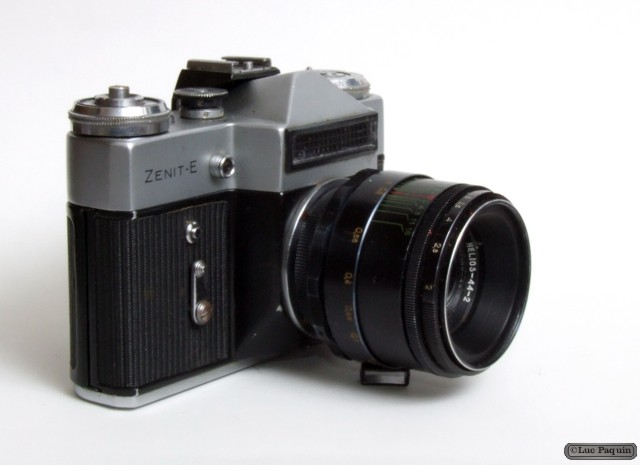
Camera – Zenit-E

Zenit-E Mk01

Zenit-E Mk02

Zenit-E Mk03

Zenit-E Mk04

Zenit-E

Zenit is a Russian camera brand manufactured by KMZ in the town of Krasnogorsk near Moscow since 1952 and by BelOMO in Belarus since the 1970s. The Zenit trademark is associated with 35 mm SLR cameras. Among related brands are Zorki for 35 mm rangefinder cameras, Moskva (Moscow) and Iskra for medium-format folding cameras and Horizon for panoramic cameras. In the 1960s and 1970s, they were exported by Mashpriborintorg to 74 countries.

The name is sometimes spelled Zenith in English, such as the manuals published by the UK Zenit-importer TOE. However, TOE’s imported camera bodies as from 1963 retained the “Zenit” badges. The early Zorki-based models before that time were labelled “Zenith” in a handwritten style of script.

Zenit-E and its Successors

During 1967 through 1969 KMZ built an automatic die-cast moulding line, allowing mass camera production. Camera production switched to the M42×1 thread (also known as Praktica thread) and an instant-return mirror was also developed. This led to one of the most famous Zenits – Zenit-E which saw (including its subtypes) over 12 million produced. A heavy and tough camera with a mechanism that was of exceedingly simple design along the lines of “what isn’t there, can’t go wrong”. Automatic diaphragm functionality was not available until the introduction of the Zenit-EM, which used a direct mechanism linking the shutter release button to the aperture mechanism, significantly increasing the effort required to release the shutter. Production included both M39×1 and M42×1 mounts for the Zenit E and Zenit B models. Later models were only produced in the M42×1 with the Pentax K mount available for the latest models.

Towards the end of the 20th century, the Zenit-E heritage became an obstacle to the development of more modern Zenit models. This was because almost all low-end Zenits until the recent 412DX have been based on the Zenit-E die-cast chassis, complying with the local philosophy that a crude but affordable camera was better than no camera. The major events of the further development of Zenit-E. Zenit-E was sold also with the Moscow 1980 olympic games symbols.

Luc

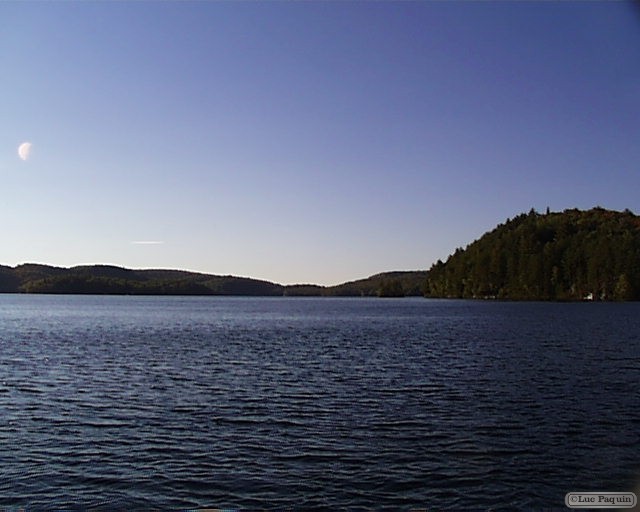
La Conception, Quebec, September 28, 2001

Trois Montagnes 6 Mk02

Year: 2001 (September 28, 2001)

11″ x 8.5″

Media: Canon® Pro Platinum High Gloss Photo Paper

Printers: Canon® PIXMA

Color

Art: Photo

Artist: Luc Paquin

Lac des Trois Montagnes, La Conception, QC, Canada

Moon

The Moon (Latin: Luna) is Earth’s only natural satellite. One of the largest natural satellite in the Solar System, among the satellites of the planets it is the largest relative to the size of the object it orbits (its primary). It is the second-densest satellite among those whose densities are known (after Jupiter’s satellite Io).

The Moon is thought to have formed approximately 4.5 billion years ago, not long after Earth. Although there have been several hypotheses for its origin in the past, the current most widely accepted explanation is that the Moon formed from the debris left over after a giant impact between Earth and a Mars-sized body called Theia.

Luc

Montreal Biodome, Montréal, QC, Canada, October 4, 2001

Montreal Biodome 6 Mk01

Year: 2001 (October 4, 2001)

11″ x 8.5″

Media: Canon® Pro Platinum High Gloss Photo Paper

Printers: Canon® PIXMA

Color

Art: Photo

Artist: Luc Paquin

Montreal Biodome, QC, Canada

Montreal Biodome

The Montreal Biodome (French: Biodôme de Montréal) is a facility located in Montreal that allows visitors to walk through replicas of four ecosystems found in the Americas. The building was originally constructed for the 1976 Olympic Games as a velodrome. It hosted both track cycling and judo events. Renovations on the building began in 1989 and in 1992 the indoor nature exhibit was opened.

The Montreal Biodome is one of four facilities operated by the Montreal Nature Museum, which include the Montreal Insectarium, Montreal Botanical Garden, and Montreal Planetarium. It is an accredited member of both the Association of Zoos and Aquariums (AZA) and the Canadian Association of Zoos and Aquariums (CAZA).

Luc